You must have routine sanitation based upon potential hazards, food processing capacity, allergen concerns, and health inspections, plus documented records supporting HACCP compliance, inspection results, and public health standards. The information below detail essential sanitation program components.
Key Takeaways
- Brampton's food safety cleaning professionals clean for restaurants, grocery departments, commissaries, warehouses, bakeries, schools, mobile vendors, and allergen-sensitive operations.
- High-touch surfaces, food-contact equipment, kitchens, floors, drains, restrooms, and storage areas are disinfected using area-specific procedures to reduce cross-contamination.
- Approved sanitizer dilution, suitability, and contact time are checked by trained vendors, with conclusion recorded via swabs, inspections, and action records.
- Maintenance schedules should follow hazard, production volume, transitions, accidents, and regulations, with routine, periodic, and annual operations designated by location.
- Select vendors with HACCP, health regulatory, understanding, safety training, education, protection, endorsements, colour-coded equipment, and inspection-ready hygiene documentation.
Food Safety Cleaning Requirements for Brampton Facilities
Food safety cleaning is necessary for any Brampton facility that processes, stores, prepares, packages, or serves food. Apply it to your facility if it falls within health oversight, food standards, or HACCP systems. This includes food service venues, employee dining, supply facilities, retail sections, butcheries, seafood counters, retail shops, and facility kitchens.
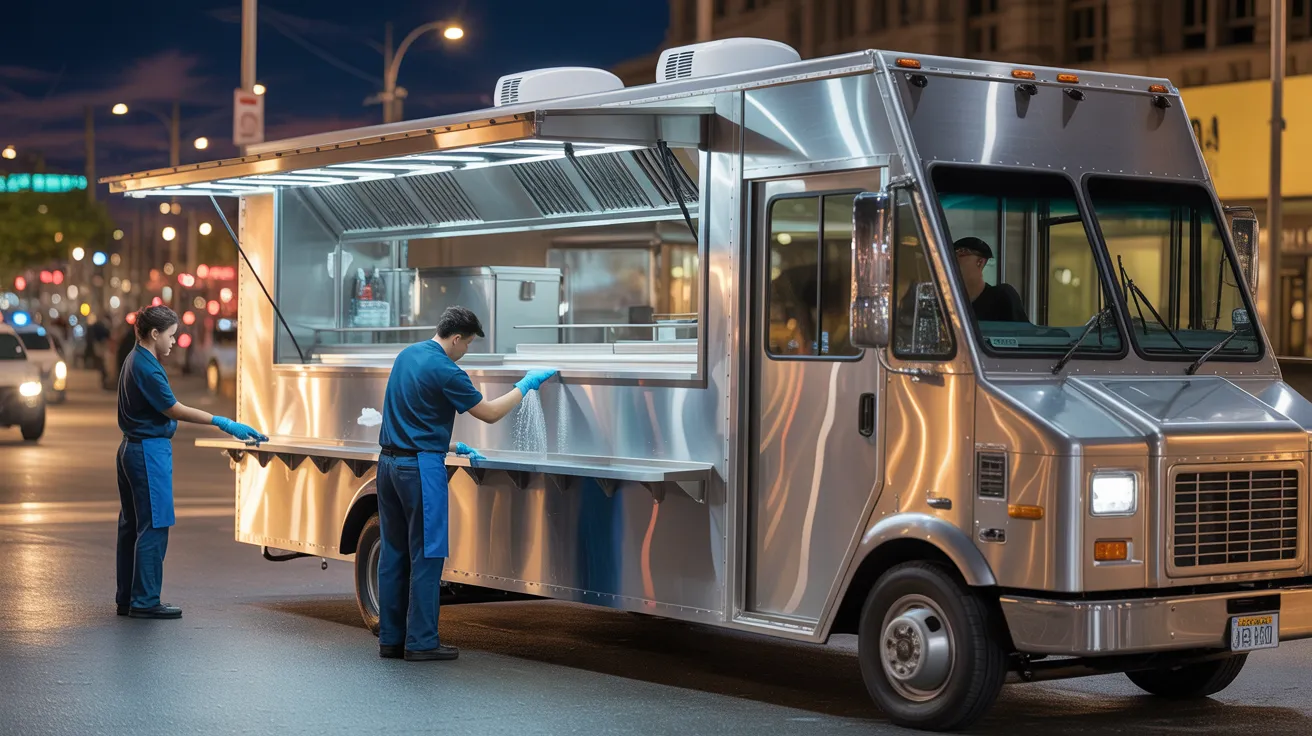
Proper hygiene protocols continues to be essential in distribution centers, manufacturing facilities, cold storage areas, bakery retailers, educational meal programs, banquet venues, and meal delivery services. Seasonal and mobile businesses are included, examples being catering vehicles, festival vendors, and pop-up establishments. Your location needs established hygiene documentation whenever your workers work with ingredients, section ready-to-serve foods, heat finished items, or maintain allergen storage. In Brampton, food safety is not elective; it represents lawful, operational, and customer protection standards.
What Do Brampton Cleaning Professionals Handle?
Professional cleaning teams specializing in Brampton sanitize touched surfaces, kitchen facilities, floors, and sanitary facilities to satisfy food safety standards and health requirements. Emphasis on these spaces stems from extreme cross-contamination risk, injury hazards, and compliance issues.
By knowing exactly what gets cleaned, you can make sure your facility's cleaning procedures satisfy all operational and regulatory requirements.
Focusing on High-Touch Surface Sterilization
implement a sanitizing frequency
check that cleaning was adequate
Kitchen Areas, Floor Surfaces, and Bathroom Spaces
Expect Brampton cleaning experts to focus on kitchens, floors, and restrooms because each area carries distinct foodborne illness prevention, slip-and-fall, and sanitation risks. In industrial kitchens, you need degreasing on cook lines, equipment exteriors, drains, prep surfaces, and splash zones to minimize contamination and pest pressure.
Floor care that is documented should equally be anticipated. Technicians scrub and extract buildup from grout, tile, and vinyl flooring, then apply correct drying techniques so you can limit falls and maintain code-compliant conditions. They also handle entryways where moisture and debris migrate indoors.
Restroom cleaning requires decontaminating touchpoints, fixtures, partitions, dispensers, and waste containers, restocking supplies and controlling odours. They also maintain restaurant cleaning supply rooms where product storage, sink cleanliness, and drain systems impact daily sanitation standards and worker protection.
How Food Safety Cleaning Benefits Brampton Operations
To comply with regulatory mandates and succeed in audits, Brampton facilities must follow appropriate cleaning protocols. You also reduce bacterial spread through proper cleaning of food-preparation surfaces, appliances, and frequently-touched items. Most importantly, you help protect community wellness by reducing the chance of food poisoning in your establishment.
Health Code Compliance
Food establishments in Brampton face mandatory safety protocols, making food safety cleaning vital to satisfying health code requirements, ensuring the safety of patrons, and sidestepping enforcement action. You must maintain sanitary food-contact surfaces, verifiable cleaning logs, correct sanitizer application, and verifiable staff procedures that meet municipal and provincial inspection expectations.
Well-maintained cleaning files aid you in establishing due diligence during compliance reviews and confirming your methods follow uniform patterns that are replicable and overseen.
Contamination Prevention
Adhering to health code standards requires your skill in preventing cross-contamination throughout routine preparation and sanitation work. You need to isolate uncooked items from finished products, sanitize work stations after each task, and keep chemicals away from food-contact items. Structured procedures reduce transfer risks and maintain ongoing regulatory adherence.
You should implement allergen segregation to keep priority allergens from contacting common work areas, storage bins, or tools. Employ separate boards, labeled implements, and careful equipment identification so employees avoid combining products throughout cooking or serving. Mandate washing hands following uncooked proteins, shellfish, egg items, or allergen products. Replace wiping cloths regularly, and check disinfectant potency using test kits. When staff members receive training on these procedures every shift, you build a more hygienic, secure workplace that satisfies Brampton's safety standards daily.
Public Health Safeguarding
If proper sanitation declines, you don't merely risk a failed inspection—you boost the probability of foodborne illness harming customers, staff, and the broader Brampton region. You also weaken your role in safeguarding community wellness, especially in busy food facilities where contamination can spread quickly through surfaces, equipment, and touchpoints.
You must establish sanitation protocols that remove contaminants, disinfect correctly, and verify outcomes. This involves adhering to contact periods, employing authorized sanitizers, logging schedules, and training employees to satisfy health-unit expectations. These controls promote disease prevention by decreasing microbes before reaching food or hands. Across Brampton, effective sanitation safeguards vulnerable groups, limits outbreak risk, and demonstrates accountability. When you follow standards, you go beyond requirements—you meaningfully reduce risk and enable safer food service city-wide.
How Does Cleaning Support Food Safety Compliance?
Embracing comprehensive cleaning schedules reinforces food safety compliance by lowering contamination exposure, limiting pathogen development, and positioning your facility in accordance with sanitation requirements under HACCP-based programs and public health regulations. You verify that contact surfaces stay visibly clean and microbiologically controlled, backing documented preventive controls and inspection readiness.
Systematic cleaning also reinforces allergen management by clearing residues that can cause undeclared allergen exposure. When you combine verified sanitation methods with compliance training, your staff can execute consistent approaches, use approved chemicals correctly, complete records thoroughly, and handle deviations in advance of problems worsen. Consistent cleaning promotes audit trails, validates corrective actions, and shows responsibility during audits. It also helps you maintain product quality, copyright compliance standards, and reduce the likelihood of compliance actions, recalls, customer complaints, and avoidable health dangers.
What's the Ideal Time to Arrange Commercial Cleaning?
surfaces can collect contamination
Separate your periodic work from routine cleaning
How Do You Choose Brampton Cleaning Experts?
Start by screening providers against food sanitation standards, not price alone. You should verify that each company understands CFIA, public health, and HACCP compliance standards relevant to your facility. Ask for insurance documentation, WHMIS compliance, documented staff training, and supervision practices. Review whether technicians understand contamination prevention, chemical handling, and traceable sanitation records.
You should also assess operational reliability and responsibility. Request references from Brampton food businesses, then examine response times, corrective actions, and communication standards. Confirm the company supports supplier audits and can present audit-ready records when regulators or third parties request evidence. Check whether equipment maintenance is performed, color-coded implements are used appropriately, and site-specific hazards are recognized. A competent service protects regulatory adherence, product integrity, and your brand reputation.
Which elements are contained in a Food Safety Cleaning Plan?
Document a plan that defines every sanitation activity, guideline, and role before starting production. You should include cleaning frequencies, approved chemicals, dilution rates, contact times, tools, and verification methods for each area, surface, and device. Remember to add pre-operational inspections, corrective actions, and employee training requirements.
Your plan should also tackle prevention of contamination, waste management, pest-control tactics, and scheduled records for restrooms, drains, floors, and food-contact areas. Outline how you'll separate raw and ready-to-eat processes, support ingredient tracking, and keep accurate allergen labeling through validated cleaning between product changes. You should assign accountability, keep signed records, and evaluate results against regulatory standards, HACCP controls, and customer requirements. When gaps appear, update procedures immediately and instruct staff.
Commonly Requested Inquiries
Are cleaning services available for nighttime operations in Brampton facilities?
Yes, you can contract sanitation providers to handle overnight shifts in Brampton facilities. You'll arrange nighttime cleaning around production schedules, access requirements, and personnel requirements. Providers generally establish overnight procedures to prevent disruption, maintain standards, and document finished tasks. You should verify response times, oversight, lockout protocols, and waste management before service starts.
Do sanitation professionals offer hazard containment services?
Yes, you can expect many Brampton cleaning experts to provide hazard containment solutions. They handle hazard containment, evaluate dangers, isolate affected areas, and begin swift cleanup to reduce exposure and operational disruption. You should confirm their response times, training certifications, safety procedures, and disposal procedures. If your facility must meet health or food safety regulations, choose a provider that records events, maintains regulatory procedures, and enables compliance verification.
Do green disinfectants perform safely on food preparation areas?
Definitely, plant-based sanitizers function safely on surfaces contacting food if you select solutions certified for food use that satisfy regulatory requirements. You need to verify exposure duration, dilution ratios, and rinse protocols before use. Natural-based solutions lower chemical hazards, but you should obtain demonstration of efficacy against harmful bacteria. To ensure residue free surfaces, adhere to manufacturer directions precisely and verify your disinfectant satisfies applicable food industry sanitation standards.
Do cleaning plans permit production fluctuations?
Without question, sanitation programs customize readily for seasonal shifts. Adapt frequencies, staff levels, sanitizers, and verification steps to fit production rhythms while sustaining regulatory adherence. Lower production downtime by scheduling sanitation around equipment transitions, peak volumes, and operational patterns. Additionally revise SSOPs, staff education, and facility monitoring to reflect transient threats, new allergens, or increased soil loads. Consistent reviews preserve your plan efficient.
Will professional cleaning services teach employees on hygiene best practices?
Yes, professional cleaning services often train your team on find details about hygiene standards. You receive staff training on correct chemical application, exposure periods, contamination control, equipment disassembly, and record keeping. They typically align training with HACCP, GMP, and CFIA or local public health requirements. Many perform sanitation audits to verify compliance, identify gaps, and reinforce corrective actions. This allows you to sustain uniform processes, succeed in audits, and reduce food safety risks regularly.
Conclusion
Partnering with Brampton commercial cleaning and food safety experts means more than cleaning—it guarantees your operation stays inspection-compliant and your standards remain compliant. From kitchen areas to production zones, each cleaned area and maintained corner lessens contamination risk and avoids costly disruptions. By scheduling maintenance at suitable frequencies and implementing a thorough cleaning program, you protect your workforce, clients, and your reputation. In a heavily regulated sector, clean environments are non-negotiable—they're critical to business success.
Comments on “MWAC Janitorial Professionals”